
Earbuds With Playlists Built In: Train Phone-Free in 2026
Discover earbuds with a built-in MP3 player that let you train completely phone-free in 2026. Store up to 1,000 songs directly on your earbuds and eliminate Bluetooth dropout, streaming lag, and signal dead zones — whether you're running a HYROX race, cycling remote trails, or swimming open water. Find out if offline music earbuds are the right upgrade for your training.


Earbuds with an MP3 player built directly into the device are one of the most practical yet underexplored developments in athletic audio. Instead of acting purely as wireless speakers connected to your phone, these earbuds store and play music independently — no phone required, no streaming app open, no Bluetooth tether.
For athletes who want to train without the distraction, weight, or connectivity dependency of a smartphone, this technology has been a game-changer. The question isn’t whether it works — it does — but whether it’s the right solution for your training style. This guide breaks it down.
How Earbuds With Built-In MP3 Storage Work
Traditional Bluetooth earbuds act as output devices only. They receive audio wirelessly from a source — your phone, tablet, or computer — and convert it to sound. Remove the source, and the music stops.
Earbuds with built-in MP3 storage are both source and output. They contain onboard flash memory — typically between 4GB and 32GB — that stores audio files directly on the device. Music is loaded via USB or wireless sync, and the earbud’s internal processor handles playback independently.
Tzuka’s FreedomMode™ earbuds store up to 1,000 songs onboard. You load your library once, and the earbuds become a completely self-contained audio device. No phone. No app. No Bluetooth source. Just your music.
Who Needs Earbuds With an MP3 Player?
This technology is not for everyone — but for specific athlete profiles, it solves real problems that standard wireless earbuds simply cannot address.
Athletes Who Train Without a Phone
Some athletes make a deliberate choice to leave their phone at home, in a locker, or in the car. The reasons vary: focus, weight reduction, safety, digital wellbeing. Standard Bluetooth earbuds make this impractical. Earbuds with onboard storage make it seamless.
Runners and Cyclists in Remote Locations
Mobile signal is unreliable beyond urban areas. Streaming music on a trail run or a long cycling route depends on consistent 4G coverage that doesn’t exist in most non-urban environments. Offline storage means your playlist is always available regardless of signal.
HYROX and Race-Day Athletes
Large athletic events — HYROX races, marathons, obstacle events — generate significant Bluetooth and mobile network congestion. Thousands of athletes and spectators in one venue overwhelm wireless infrastructure. Earbuds with built-in storage are immune to this entirely. Your music plays through regardless.
Open-Water Swimmers
Some earbuds with mp3 player functionality are rated for open-water use. Standard Bluetooth earbuds have no signal range underwater. Purpose-built swim earphones with onboard storage resolve this. (Note: always verify IP rating is suitable for immersion before use in water.)
Load 1,000 songs directly onto your earbuds. Explore Tzuka FreedomMode™ at tzuka.com/freedommode.
.jpg)
Offline Music Earbuds vs Streaming: A Practical Comparison
Here’s where each approach wins:
- Offline earbuds win: remote training, race events, Bluetooth-congested venues, phone-free training, swimming, areas with no mobile data
- Streaming wins: access to full music library, playlist updates on the fly, podcast and radio content, smart device integration
For most serious athletes, a combination is ideal: earbuds with onboard storage as the primary training tool, with streaming available for casual listening. Tzuka’s FreedomMode™ supports both — connect to your phone when you want to, disconnect when you don’t.
What to Look for in Earbuds With MP3 Player Storage
Not all onboard storage earbuds are equally useful for athletes. Here’s the checklist:
- Storage capacity — 4GB (roughly 1,000 songs) is the practical minimum; 8GB or more is better for athletes with varied playlists
- Loading method — USB is most common; wireless sync (Wi-Fi) is more convenient for regular playlist updates
- Format support — MP3 is universal; FLAC support is useful for higher-quality files
- IP68 waterproofing — essential for athlete use; the internal storage and processor are sensitive components that must be fully sealed
- Battery life — onboard processing requires power; look for 5+ hours of playback from onboard storage mode
- Playback controls — straightforward skip, volume, and play/pause controls without needing a phone screen
The Case for Offline Music in Athletic Performance
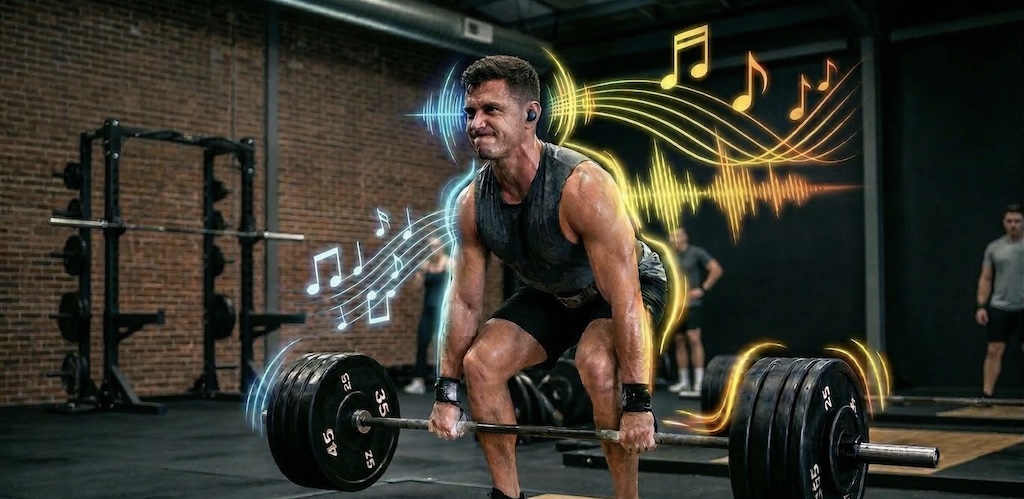
Multiple peer-reviewed studies support the performance benefit of music during exercise — with synchronised tempo music at the right BPM improving endurance output by up to 15% and reducing perceived effort. The precondition for this benefit is uninterrupted playback.
Streaming music introduces interruption risk at every layer: Bluetooth range, mobile data signal, app responsiveness, phone battery. Offline music earbuds eliminate all four variables. The music plays. Session performance benefits from it. Nothing gets in the way.
Frequently Asked Questions
What are earbuds with an MP3 player?
Earbuds with an MP3 player are wireless earbuds that contain onboard flash memory for storing audio files, allowing playback without a connected phone or streaming device. The earbuds function as both the music source and the audio output — a completely self-contained playback system.
How do I load music onto earbuds with storage?
Most earbuds with built-in storage use either a USB connection to your computer or a Wi-Fi sync system. You transfer MP3, AAC, or FLAC files from your music library to the earbud’s onboard storage, then disconnect and play. Tzuka’s FreedomMode™ uses a simple wireless sync to load your playlist.
How many songs can earbuds with MP3 storage hold?
Storage capacity varies by product. Most current earbuds with MP3 player functionality hold between 500 and 2,000 songs depending on file format and quality. Tzuka’s FreedomMode™ stores up to 1,000 songs — sufficient for varied training playlists across weeks of sessions without repeating.
Do offline music earbuds still connect to Bluetooth?
Yes. Most earbuds with onboard storage support both modes: standalone offline playback and standard Bluetooth connection to a phone. You switch between them based on your preference for each session. This makes them more versatile than standard Bluetooth earbuds.
Are offline music earbuds worth it for runners?
Yes, particularly for race-day and remote-route running. Bluetooth dropout at crowded race starts is a real and common issue. Offline music earbuds eliminate this risk entirely. The phone-free weight reduction and distraction removal are additional benefits for athletes focused on performance.
.jpg)
Conclusion
Earbuds with an MP3 player built in solve a problem that standard wireless earbuds cannot: the problem of always needing a phone present. For athletes who train without a phone, compete in signal-poor environments, or simply want to focus without device dependency, onboard music storage is not a gimmick — it’s a meaningful performance feature.
Tzuka’s FreedomMode™ earbuds were built around exactly this insight. Load your music, train freely. Explore the full specification at tzuka.com/freedommode.
Ready to cut the phone cord entirely? Explore Tzuka FreedomMode™ at tzuka.com/freedommode.
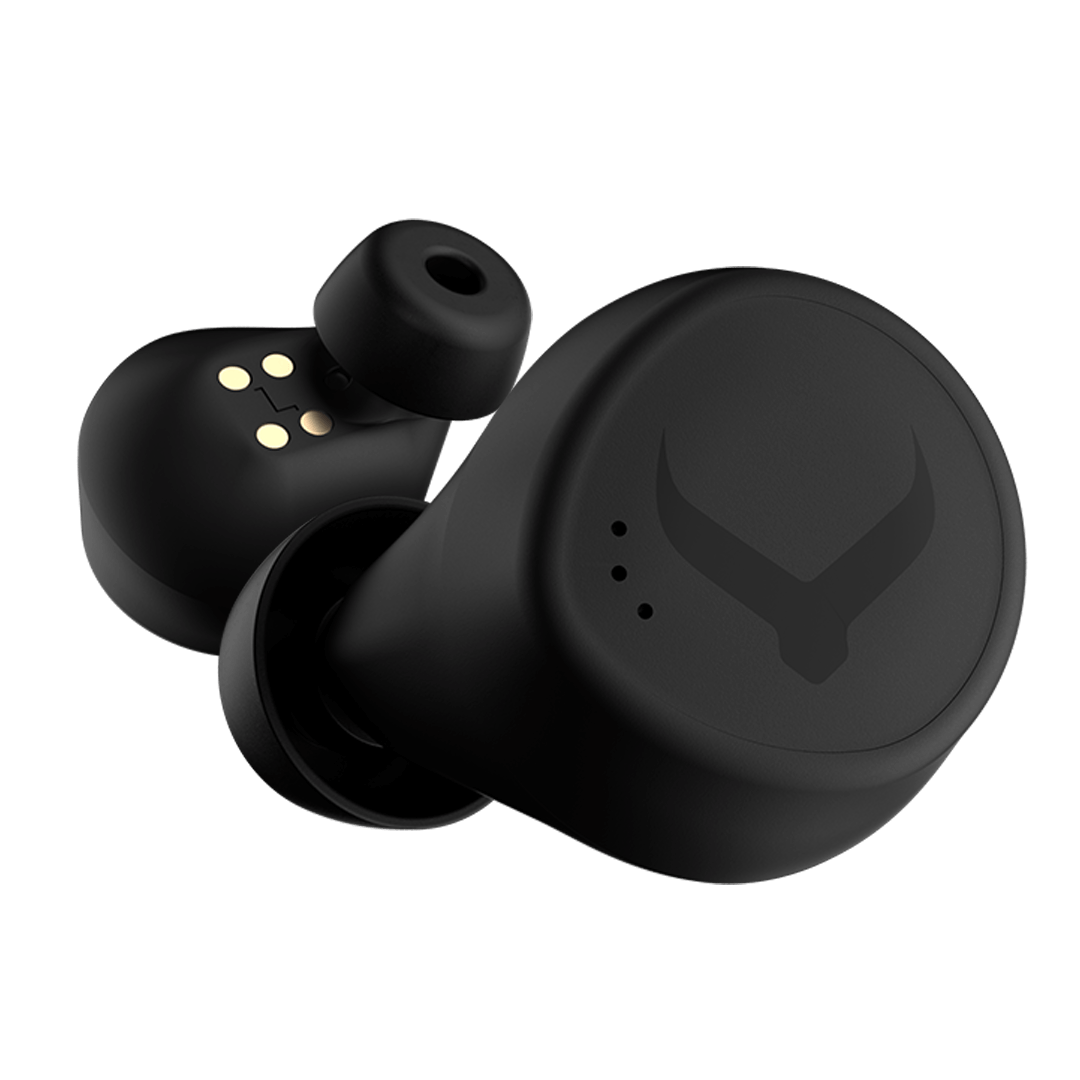
Introducing the ultimate workout earbuds.


.jpg)



.avif)
.avif)