
.jpg)

The best sport earbuds in 2026 look nothing like the best consumer earbuds of five years ago. Sport has specific, unforgiving demands — and the mainstream audio market is only just catching up with what serious athletes have always needed.
Whether you train for HYROX, run marathons, lift in a CrossFit box, or cycle before dawn, the earbuds that survive your sessions have one thing in common: they were built with athletic use at the centre of every specification decision. This guide cuts through the marketing noise and tells you what actually matters.
Why ‘Sport’ Earbuds Are Not All the Same
The word ‘sport’ on a pair of earbuds is one of the most overused and underqualified claims in consumer electronics. Many earbuds branded as sport-ready are simply standard consumer products with a slightly higher IPX rating and a brighter colour. Real sport earbuds are designed around the demands of athletic movement — sweat, impact, duration, and environmental exposure.
Four variables separate genuine sport earbuds from standard earbuds with a sport label:
- Waterproofing standard — what it actually resists, not just what the marketing implies
- Fit retention system — whether it stays in under high-intensity, multi-directional movement
- Build quality and impact resistance — whether the housing survives drops and collisions
- Battery and audio performance over extended sessions — maintaining quality at hour three as well as hour one
The Waterproofing Spectrum: From IPX4 to IP68
IPX4 is the minimum, not the standard. It handles light splashes from any direction but was not designed for sustained sweat saturation over a two-hour training session. IPX7 adds genuine immersion resistance. IP68 adds full dust-tight protection on top of that — making it the gold standard for athletes who train daily across variable conditions.
For any athlete training more than four sessions per week, IP68 should be the baseline expectation. Lower-rated earbuds degraded by sweat ingress are one of the most common and most preventable equipment failures in sport.
Fit: Why Most Earbuds Fail Athletes
Standard in-ear earbuds are designed to stay in place at rest or during light movement. Athletic movement — particularly running, functional fitness, and high-intensity interval training — creates vibration patterns and directional forces that dislodge standard tips within minutes.
Wing tips, fin stabilisers, and over-ear hooks are the three main solutions. Wing tips work by pressing against the inner ear cartilage. Fins press against the concha. Hooks wrap over the ear. The best fit solution depends on your ear anatomy — but all three outperform friction-only fit under sport conditions.
%20(1).jpg)
Offline Music Storage: The Underrated Sport Feature
The best sport earbuds in 2026 aren’t just better earbuds — they’re smarter training tools.
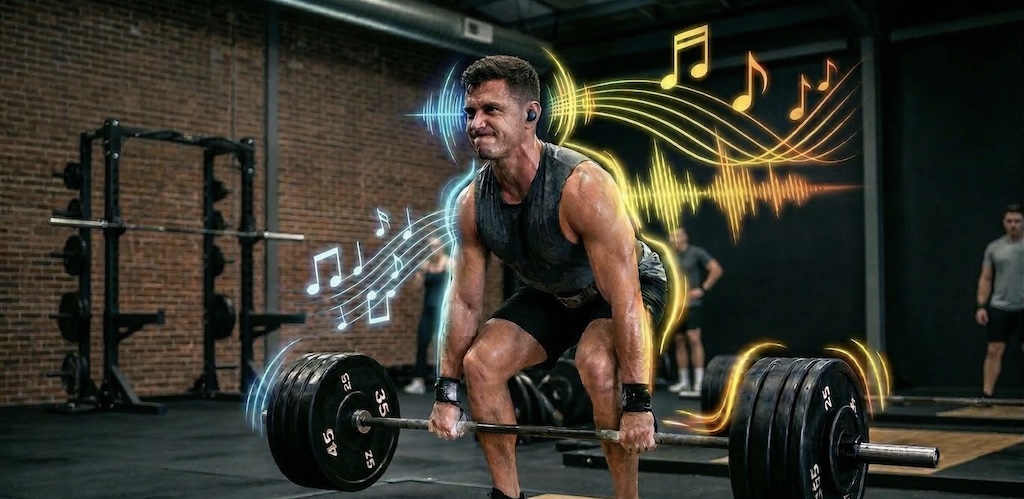
Earbuds with onboard music storage remove the phone entirely from the training equation. Tzuka’s FreedomMode™ stores up to 1,000 songs on the device — no Bluetooth source required, no streaming dependency, no signal issues in remote locations or crowded race environments.
For runners, HYROX competitors, and outdoor athletes, this eliminates a genuine performance variable: the risk of audio dropping out at the worst possible moment. Phone-free training is both safer and more focused.
Discover offline sport audio at tzuka.com/freedommode — earbuds that train as hard as you do.
What the Best Sport Earbuds Have in Common
Across every sport and every training style, the best sport earbuds share these specifications:
- IP68 waterproofing — the only rating that fully addresses daily sweat and environmental exposure
- Secure retention design — not just tips, but a physical anchor against athletic movement
- Impact-resistant housing — drop-tested construction for real-world training environments
- 5+ hour battery life — covering the longest sessions without a charge stop
- Offline music capability — for athletes who train without a phone, in remote locations, or at busy race events
- Lightweight build — under 8g per earbud to maintain comfort over hours, not minutes
How to Choose the Right Sport Earbuds for Your Training Style
For Runners
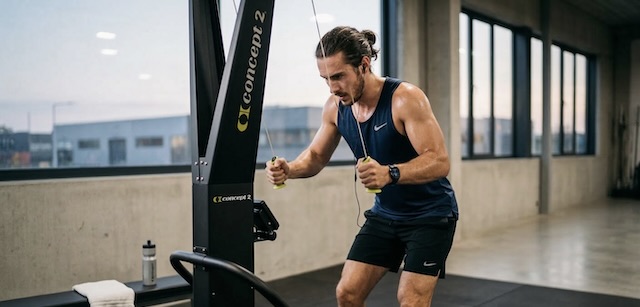
Prioritise secure fit and IP68 protection above all else. Battery life should match your longest run. If you race regularly, strongly consider earbuds with offline storage to remove Bluetooth risk at race starts. See our full guide to the best earbuds for running for a sport-specific breakdown.
For HYROX and Functional Fitness Athletes
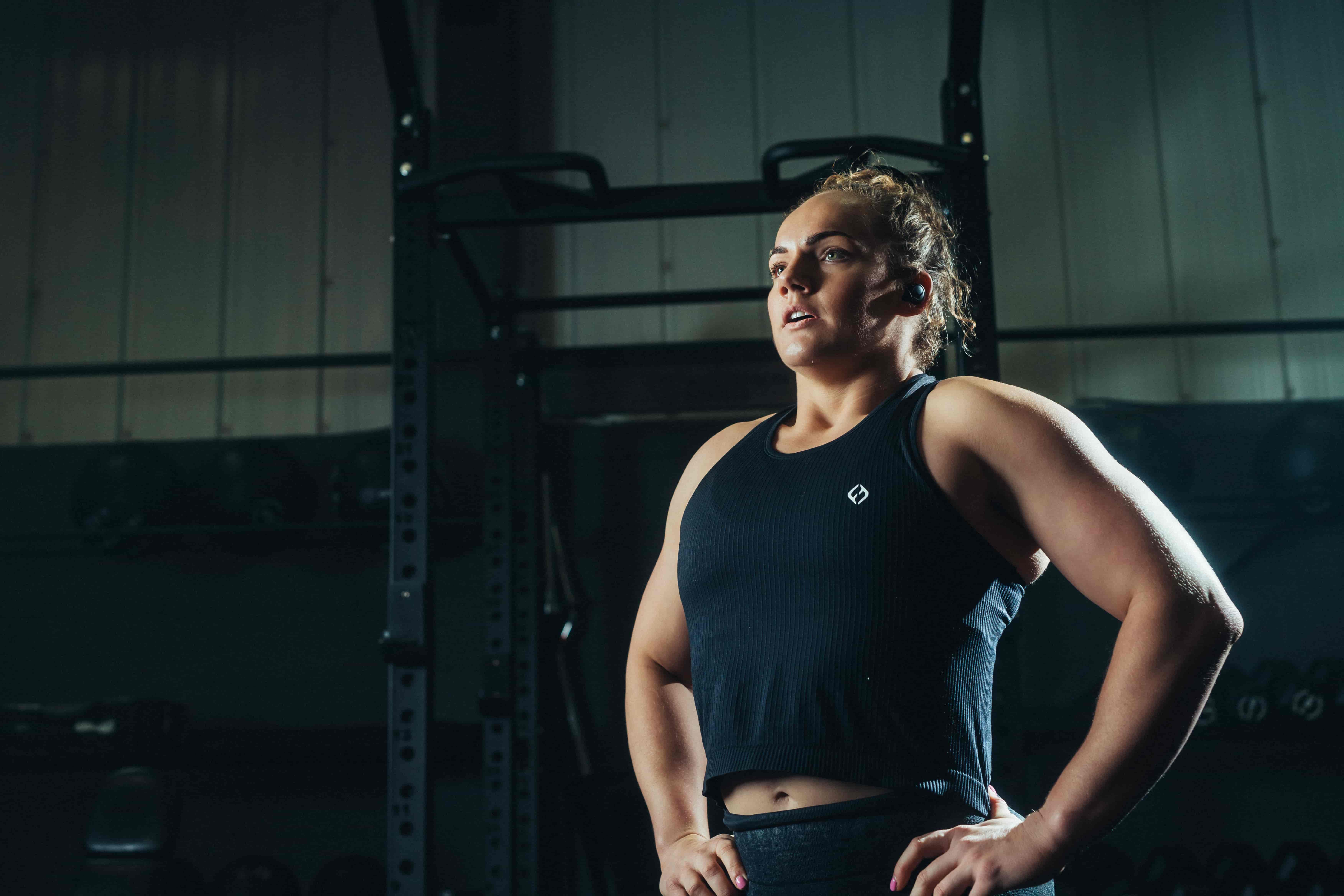
HYROX demands a 360° sport earbud — secure enough for sled pushes, waterproof enough for maximum-sweat effort, and reliable enough to survive 60–120 minutes of race-pace work. Explore Tzuka’s dedicated HYROX earbuds for this specific use case.
For Gym and CrossFit Training
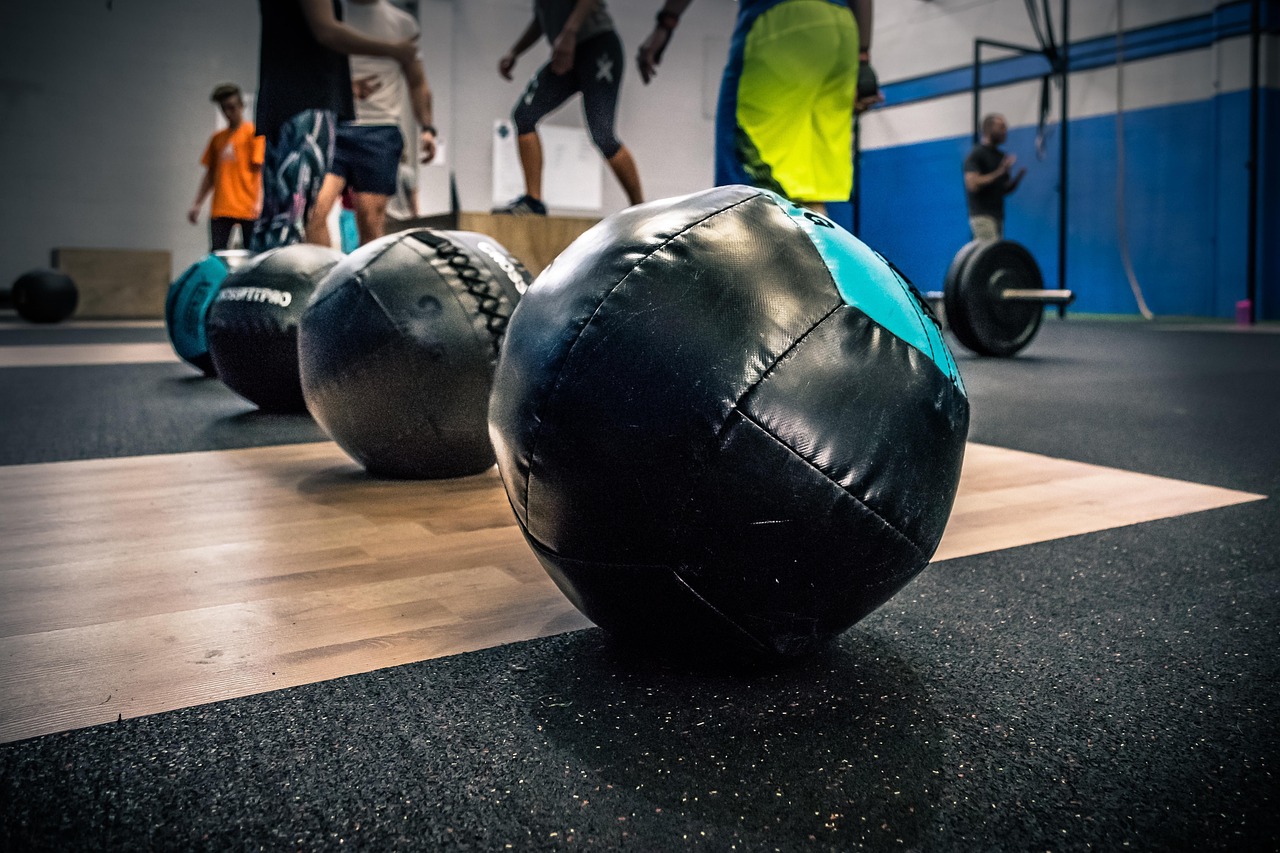
Gyms place different demands on earbuds: dropped weights, chalk dust, and metal-to-metal impacts are real risks. Impact-resistant housing and IP68 dust protection are more important here than weather resistance. Wing tip or fin retention handles the wide variety of movements in a functional fitness class.
Frequently Asked Questions
What makes earbuds ‘sport’ earbuds?
The best sport earbuds are distinguished by three engineering decisions: IP68 or IPX7 waterproofing (not just IPX4 splash resistance), a physical fit retention system beyond ear canal friction, and impact-resistant construction. These features together allow earbuds to survive the conditions of serious athletic training that standard consumer earbuds cannot.
Are expensive sport earbuds worth it?
Yes, for regular athletes. Premium sport earbuds with IP68 protection and quality construction cost more upfront but last significantly longer than cheaper alternatives replaced every few months. Per-year cost is typically lower for athletes who train frequently.
Can I use sport earbuds for everyday use?
Yes. Sport earbuds with good acoustic design deliver audio quality that matches or exceeds general-purpose earbuds. The added durability and waterproofing are advantages in everyday use — they simply have no downside outside a formal audio setting like a concert hall.
What is the best waterproof rating for sport earbuds?
IP68 is the highest practical rating for earbuds and represents full dust-tight and deep-water protection. For athletes, IP68 is the recommended standard. IPX7 is acceptable for recreational use. IPX4 and IPX5 are inadequate for daily high-intensity training.
Do sport earbuds need offline music storage?
Not universally — but it adds significant practical value. Athletes who train in remote locations, compete at race events with wireless congestion, or simply want to leave their phone behind benefit directly from offline storage. For serious athletes, it removes a genuine performance variable.

Conclusion
Finding the best sport earbuds means looking past the marketing and asking the right questions: What is the actual waterproofing standard? What keeps them in during high-intensity movement? How long do they last? And can I use them without my phone?
Tzuka earbuds are built to answer all four — engineered for athletes who train seriously and expect their kit to keep up.
Compare Tzuka’s full sport earbuds range at tzuka.com/compare — and find the pair built for your training.
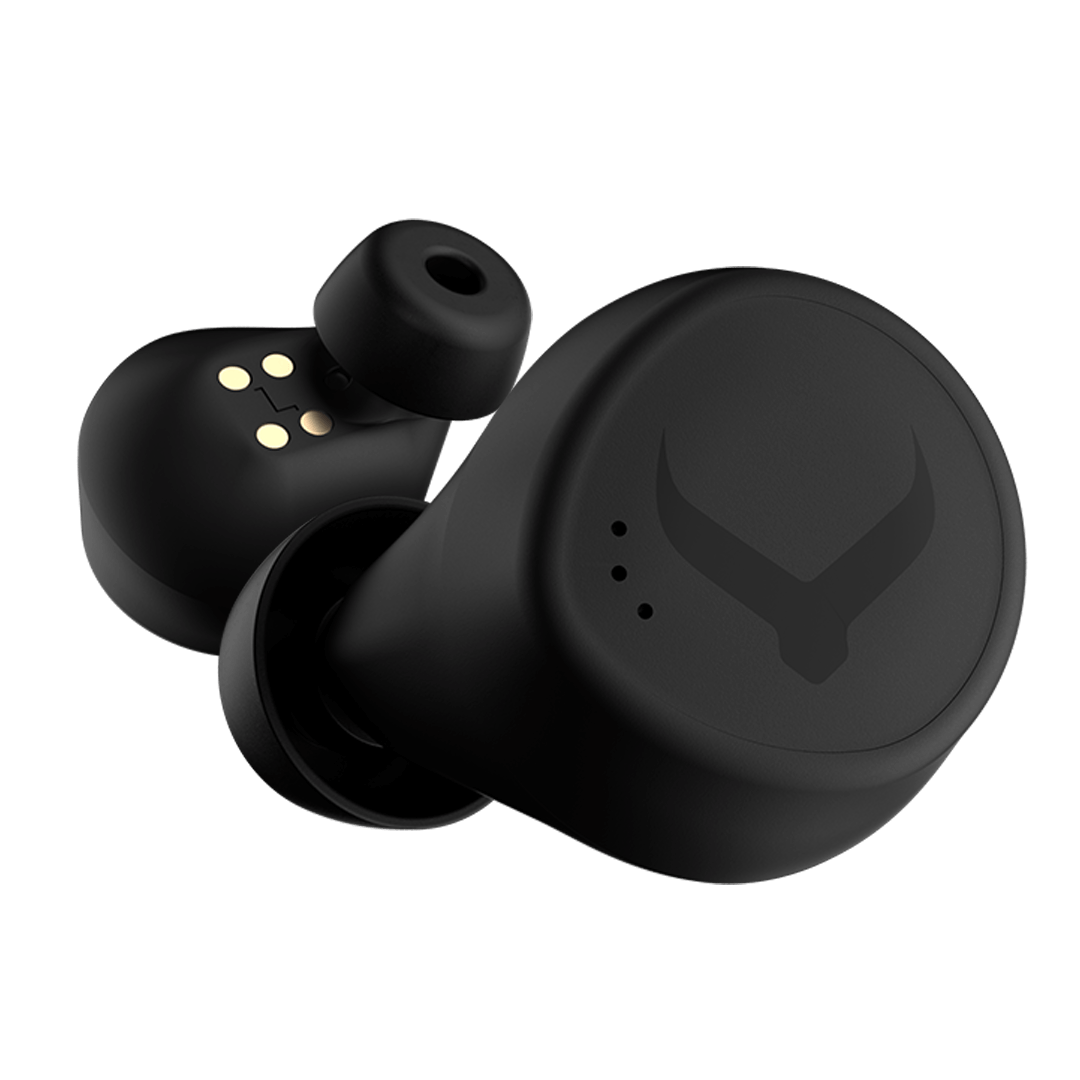
Introducing the ultimate workout earbuds.


.avif)
.avif)