


Best Earbuds for Running 2026: The Honest Guide for Serious Athletes
The best earbuds for running aren’t simply the ones with the best tech reviews — they’re the ones that hold up when you’re 8km into a tempo run, dripping sweat in January rain, and can’t afford a Bluetooth drop with three miles to go.
Runners have some of the most specific demands of any athlete. You need a secure fit that survives every stride, waterproofing that goes beyond a basic splash rating, battery life that matches your long-run schedule, and audio quality good enough to keep you moving through the kilometres that hurt most. In this guide, we break down exactly what separates a great pair of running earbuds from a mediocre one — and what the specs on the box actually mean when you’re out in the elements.
What Running Actually Demands From Your Earbuds
Running is one of the most physically repetitive, high-sweat, all-weather activities you can put earbuds through. Unlike gym training — where you’re largely stationary and climate-controlled — running exposes your kit to:
- Constant vibration from the impact of each footstrike
- Sustained sweat output over 30 minutes to several hours
- Variable weather conditions — rain, cold, humidity
- Head movement that shifts earbuds with every kilometre
- Bluetooth interference in city environments or crowded race starts
An earbud engineered for a 20-minute commute is not the same product as one built for a two-hour marathon training block. The specifications matter — and so does understanding what they mean in practice.
Fit: The Most Important Specification Nobody Tests Before Buying
Fit is the primary failure point for running earbuds. The repetitive impact of running loosens earbuds that rely purely on ear canal pressure — and if they fall out at mile 18 of a marathon build, no amount of audio quality compensates for that.
Look for earbuds with a stabilising wing tip, fin, or ear hook that physically anchors the device to the ear. These retention systems are the difference between earbuds that stay put through a sprint finish and ones you’re constantly pushing back in mid-run.
Waterproofing: Understanding the Real Standard for Runners
IPX4 is the minimum — but IP68 is what serious runners should demand. IPX4 handles light splashes; IP68 means full dust-tight protection and submersion resistance. For runners training through UK weather across all four seasons, this gap translates directly into earbud longevity.
Sweat is also more corrosive than fresh water — it contains salt and acids that degrade cheaper seals over months of daily training. IP68 protection addresses this; IPX4 does not.
Battery Life: Matching Your Training Volume
Battery life requirements vary dramatically depending on how far you run:
- Recreational runners (under 10km): 3–4 hours of playback is sufficient
- Half-marathon to marathon training: 5–7 hours covers the longest training runs
- Ultra-distance athletes: 8+ hours of continuous playback, or a charging case with significant reserve
Always factor in total time from leaving the house to returning — not just the run itself. Warm-up, cool-down, and travel to a race start all draw on battery reserves. A 5-hour minimum covers most amateur training schedules comfortably.

The Problem With Bluetooth Streaming for Running
Most runners stream music via Bluetooth from a phone tucked into a running vest or armband. For solo training on quiet routes, this works reasonably well. But it has meaningful failure points:
- Dense urban environments cause Bluetooth dropout from signal interference
- Race starts with hundreds of runners generate significant wireless traffic
- Cold weather reduces phone battery life, cutting streaming sessions short
- Wet conditions risk the phone itself, even in supposedly waterproof pockets
The growing alternative is earbuds with built-in offline music storage. Tzuka’s FreedomMode™ stores up to 1,000 songs directly on the device — no phone required, no streaming dependency, no signal needed. Load your playlist at home and run completely phone-free.
For race day specifically, major events — from parkrun to marathon mass starts — are notorious Bluetooth environments. Athletes who store music offline bypass the problem entirely. Find out more at tzuka.com.
Ready to run without your phone holding you back? Explore Tzuka FreedomMode™ at tzuka.com.
The Best Earbuds for Running: Feature Checklist
Before buying any pair of running earbuds, run through this checklist:
- IP68 waterproofing — full protection against sweat, rain, and dust ingress
- Secure fit system — wing tip, fin, or hook retention for impact stability
- Battery life matching your longest run — plus a 20% buffer
- Offline music storage — independence from phone and signal on remote routes and race day
- Lightweight design — under 8g per earbud to reduce ear fatigue on long runs
- Durable case construction — a running earbud case takes real-world knocks; it needs to survive them
Running Earbuds vs General Sport Earbuds
Running places unique demands compared to gym training. Impact repetition is far higher — earbuds must stay secure across thousands of footstrikes per session. Weather exposure is greater. Duration is typically longer. And phone accessibility is lower, making offline audio more valuable on the road than in the gym.
The best sport earbuds and the best running earbuds overlap significantly — but the most dedicated running earbuds are optimised for the sport’s unique physical demands. Compare all athletic use cases in our sport earbuds comparison guide.
Frequently Asked Questions
What are the best earbuds for running in 2026?
The best earbuds for running in 2026 combine IP68 waterproofing, a secure retention system, and battery life matching your longest sessions. Earbuds with offline music storage — such as Tzuka’s FreedomMode™ — add full phone independence, removing Bluetooth and connectivity risk on race day and remote routes.
Do earbuds fall out when running?
Standard in-ear earbuds can dislodge during running due to the repetitive impact of each footstrike. Earbuds with a stabilising wing tip, fin, or ear hook are substantially more secure. If your current earbuds are falling out consistently, fit design — not ear canal shape — is almost always the cause.
Are waterproof earbuds necessary for running?
Yes, for serious runners. Sweat and rain are unavoidable in regular training. IPX5 handles most conditions adequately; IP68 adds full dust protection and extended waterproofing that meaningfully extends earbud working life under daily all-weather training conditions.
Can I use running earbuds at a race?
Yes — but choose earbuds that don’t rely on a live Bluetooth connection. Race environments generate significant wireless interference. Earbuds with offline music storage play independently of any external device, making them the most reliable choice for competitive running events.
How long should running earbud battery last?
A minimum of 5–6 hours covers most training scenarios including long runs. Marathon athletes should look for 7–8 hours of continuous playback in the earbuds themselves — not just the total including the case — to ensure the device lasts through the longest efforts without a mid-session stop.
.jpg)
Conclusion
The best earbuds for running are those purpose-built for the physical reality of the sport — not repurposed general-purpose earbuds with a sports label. Secure fit, IP68 waterproofing, matching battery life, and freedom from phone dependency are the specifications that matter most for serious athletes.
Runners who train seriously deserve audio that keeps pace. Don’t settle for kit that lets you down mid-session.
Ready to run without limits? Explore Tzuka’s running earbuds at tzuka.com — engineered for athletes who don’t compromise on their kit.
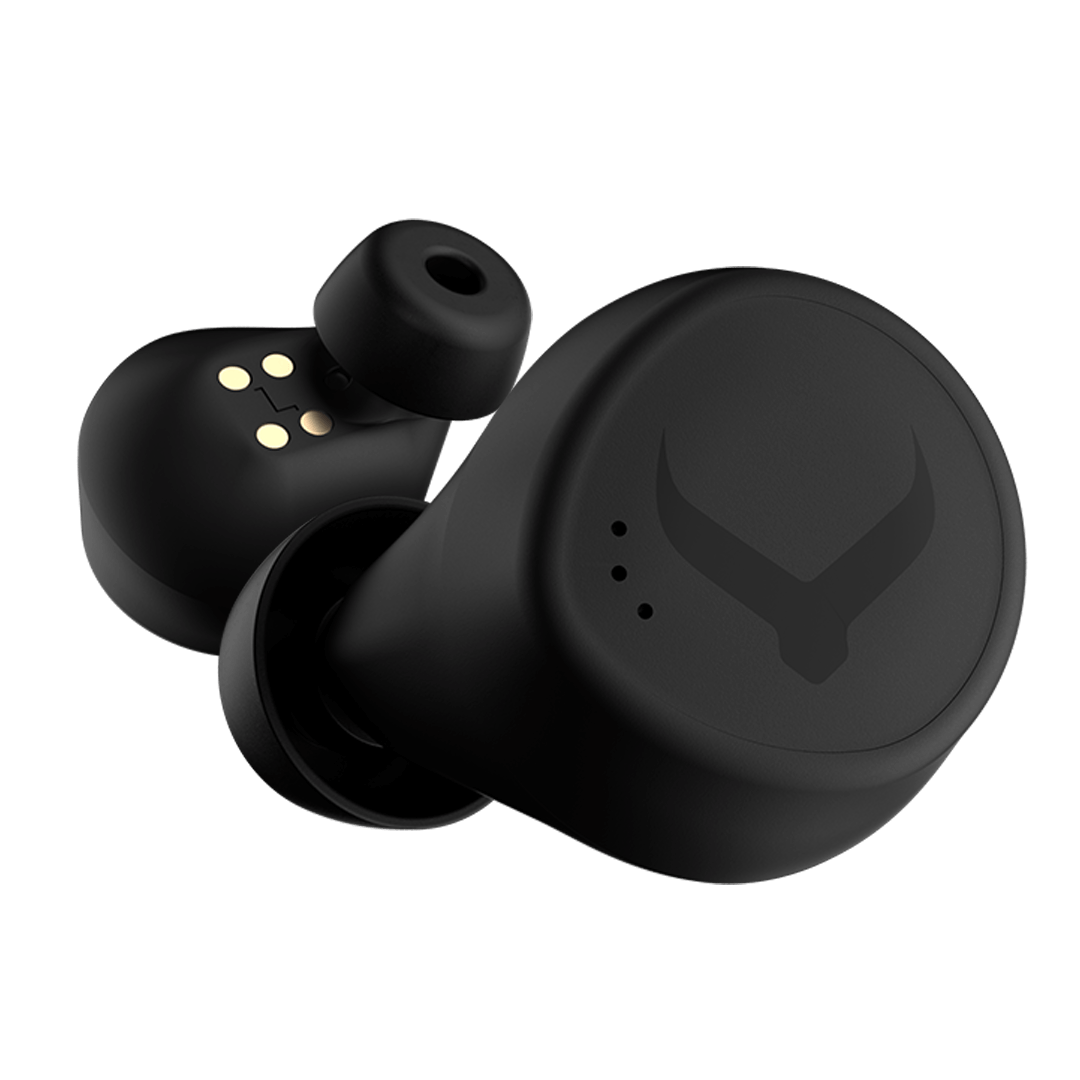
Introducing the ultimate workout earbuds.



.jpg)



.avif)
.avif)